
Mascot Logo Brand Decisions Made Clear With a Practical Framework

A mascot logo brand can make a business feel more recognizable, approachable, and distinctive, but only when the character supports a clear brand idea. The challenge is not simply drawing an animal, person, or object. It is deciding what the mascot should communicate, how it should work beside the logo, and where it belongs in the customer experience.
- A mascot should represent a recognizable brand trait, not just add decoration.
- Use a five-step process to connect audience insight, character design, logo use, and testing.
- Create a small asset system with clear rules for size, expression, color, and placement.
What a mascot logo brand needs to accomplish
A conventional logo identifies a company. A mascot can make that identity easier to remember by giving it a face, attitude, and set of repeatable visual cues. This is especially useful when a business communicates frequently through social posts, packaging, email, paid ads, or community content.
Before commissioning artwork, define the job the character must perform. Use this three-part test:
- Recognition: Can someone identify the character in a small thumbnail or partial crop?
- Relevance: Does the character reflect a real customer need, product benefit, or brand personality?
- Reuse: Can the character appear in at least five realistic situations without losing its identity?
For example, a meal-planning subscription might use a cheerful but organized character to represent reduced decision fatigue. A random smiling chef could look attractive, but it would communicate less about the actual value of the service.
A mascot is also not automatically a replacement for a wordmark or symbol. In many cases, the strongest system includes three versions: the primary logo, a mascot-led lockup, and a standalone character for flexible content. This approach gives the brand recognition without forcing the character into every application.
The five-step mascot logo brand framework
1. Define one character promise
Write one sentence describing what the mascot should make people feel or understand. Keep it specific: “The character makes product setup feel simple and encouraging” is more useful than “The character feels fun.”
Use this checklist before moving into sketches:
- It connects to a customer concern or desired outcome.
- It matches the brand’s verbal tone.
- It can be expressed visually without relying on text.
- It avoids traits that could confuse the category or audience.
2. Choose a recognizable visual anchor
Select one primary shape, object, animal, or human feature that can survive reduction. A useful anchor might be a distinctive silhouette, oversized glasses, a particular tool, or a strong color block. Avoid combining too many ideas in the first concept.
At small sizes, prioritize silhouette and contrast over detail. The WCAG guidance on non-text contrast is a useful reference when checking whether important visual elements remain distinguishable.
3. Separate the logo role from the character role
Decide where the mascot acts as a logo and where it acts as an illustration. A logo version typically needs fewer details, a stable pose, and strong performance at small sizes. An illustration version can have more movement, props, and expressive situations.
| Use case | Recommended mascot treatment | Success check |
|---|---|---|
| Website header | Simple lockup or compact icon | Readable at a glance without competing with navigation |
| Social post | Expressive pose with supporting copy | Communicates the post idea even when cropped |
| Packaging or product label | Stable, high-contrast version | Works across print sizes and production limits |
| Paid advertisement | Action-oriented expression or gesture | Supports the offer rather than distracting from it |
4. Build a minimum character system
A single finished drawing is difficult to operate. Start with a practical starter set of three to five assets:
- Primary standing or neutral pose
- Three expressions linked to common communication goals
- One directional pose for pointing, holding, or presenting
- One simplified mark or head icon
- Approved color and outline variations
This is where a broader brand mascot strategy becomes operational. The goal is not to collect illustrations. The goal is to give a team repeatable components that fit real publishing tasks.
5. Assign expressions to communication jobs
Expressions work better when they have a defined purpose. For example, use curiosity for educational content, confidence for product benefits, and celebration for customer milestones. A short expression map prevents random use and helps different designers produce consistent work.
For more direction on developing memorable brand mascot characters, compare the proposed traits against the audience, category, and channel before finalizing the design.
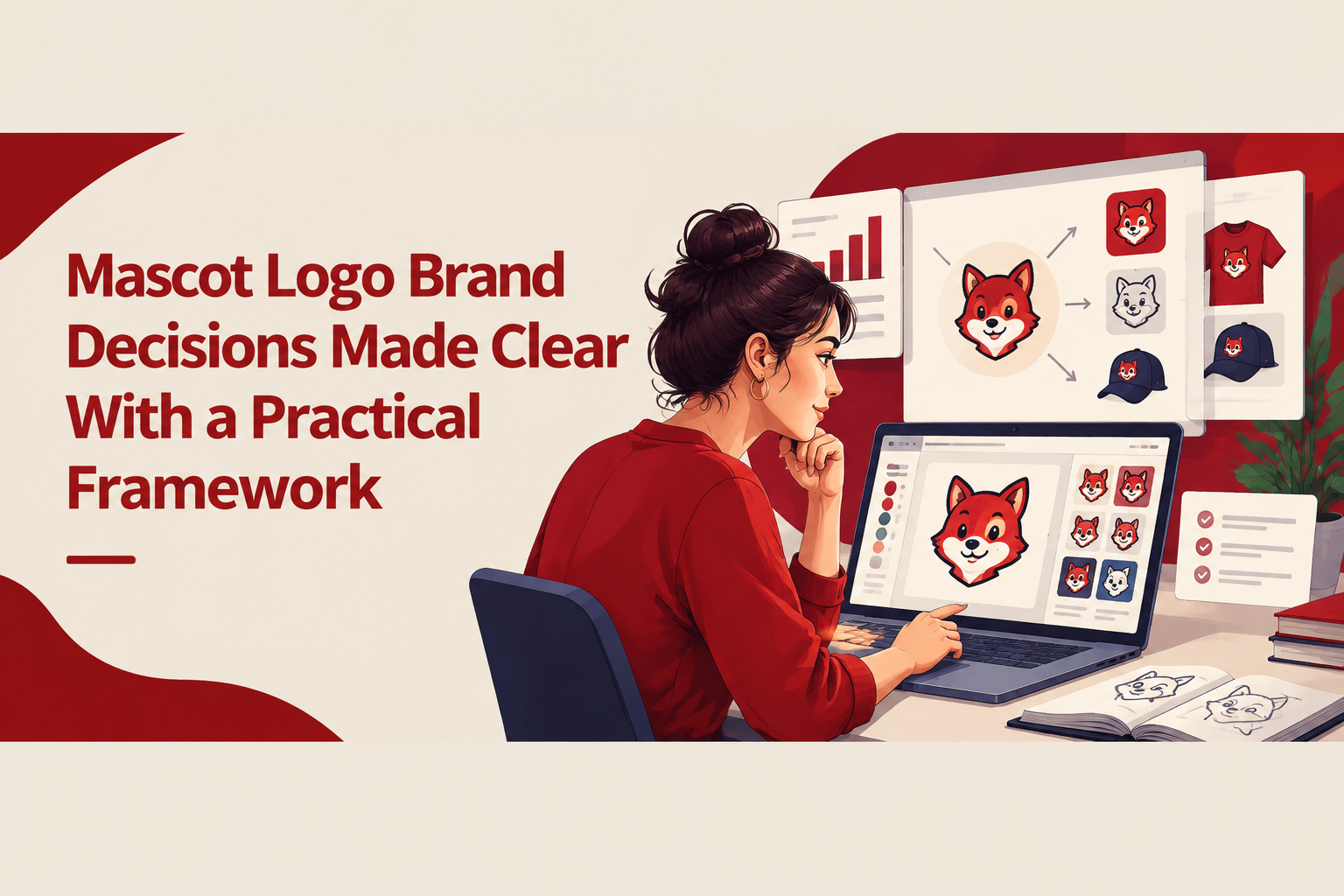
How to test and maintain the system
Do not judge a mascot only on a large presentation board. Test it in the conditions where customers will actually encounter it. A simple review can use four checkpoints:
- Five-second recognition: Show the character briefly and ask what brand qualities or category it suggests.
- Thumbnail test: Review it at approximately 40 to 80 pixels wide on a phone-sized layout.
- Context test: Place it in a product post, promotional graphic, support message, and empty-state screen.
- Consistency test: Ask two people to create a new application using only the guidelines and assets.
Record the results in a simple table with columns for application, recognition issue, readability issue, and recommended change. This creates a more useful decision record than choosing a design based only on personal preference.
Use the how to make a mascot process as a creative starting point, then validate the result in actual brand contexts. A mascot that looks appealing in isolation may still be too detailed, too generic, or difficult to reproduce consistently.
Finally, define ownership. Store the approved files, color values, clear-space rules, minimum size, prohibited edits, and expression guidance in one accessible location. Review the system after the first campaign or product launch, then revise only when a repeated problem appears.
Common questions about mascot logos
Frequently asked questions
If you have the strategy but need help turning it into a usable character system, Tetta Space can create a custom brand mascot with an original concept, three to five expressions or poses, and brand-ready static assets. Start by sharing your audience, product, and intended applications to request a clear scope.

Written by Celina Tran
I write about the space where design meets e-commerce. At TETTA, I work with brands to build social templates, scroll-stopping ads, and mascots people remember. Here, I share practical tips on visual consistency and creative workflows, and on how small teams can look big without an in-house design department.

Canva vs Figma Social Media Design Templates: Which Works Better When Your Team Scales?
Compare social media design templates in Canva vs Figma across setup, scaling, integrations, and cost-per-output so teams choose the right system.
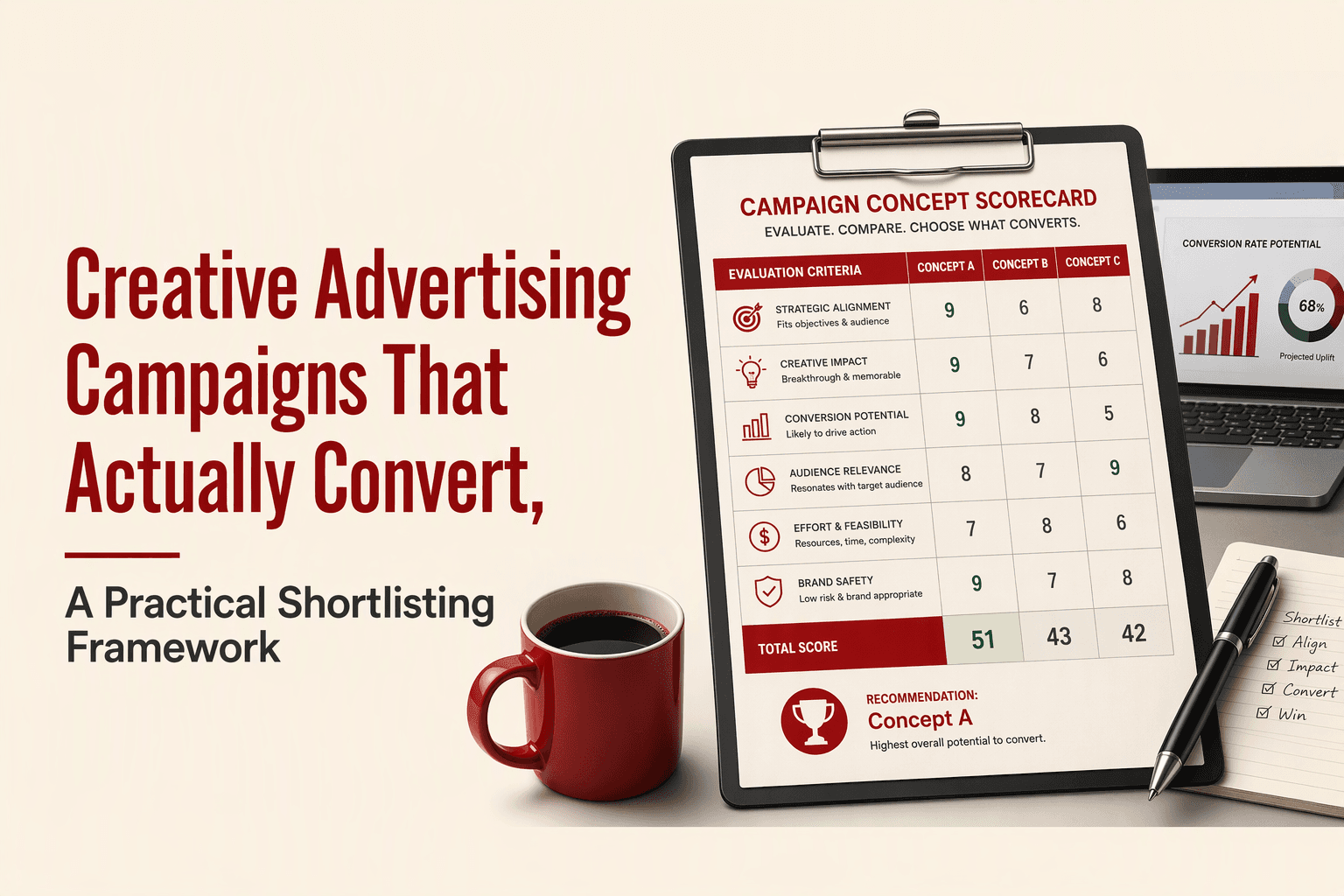
Creative Advertising Campaigns That Actually Convert, A Practical Shortlisting Framework
Evaluate creative advertising campaigns with a repeatable scorecard: concept, proof, production speed, and test plan to pick winners faster.

Creative Ads Design, A Practical System for Making Ads People Actually Notice
Learn creative ads design with a simple system: stronger hooks, clearer layouts, and faster testing. Includes checklists and examples.